
About Ulyssify
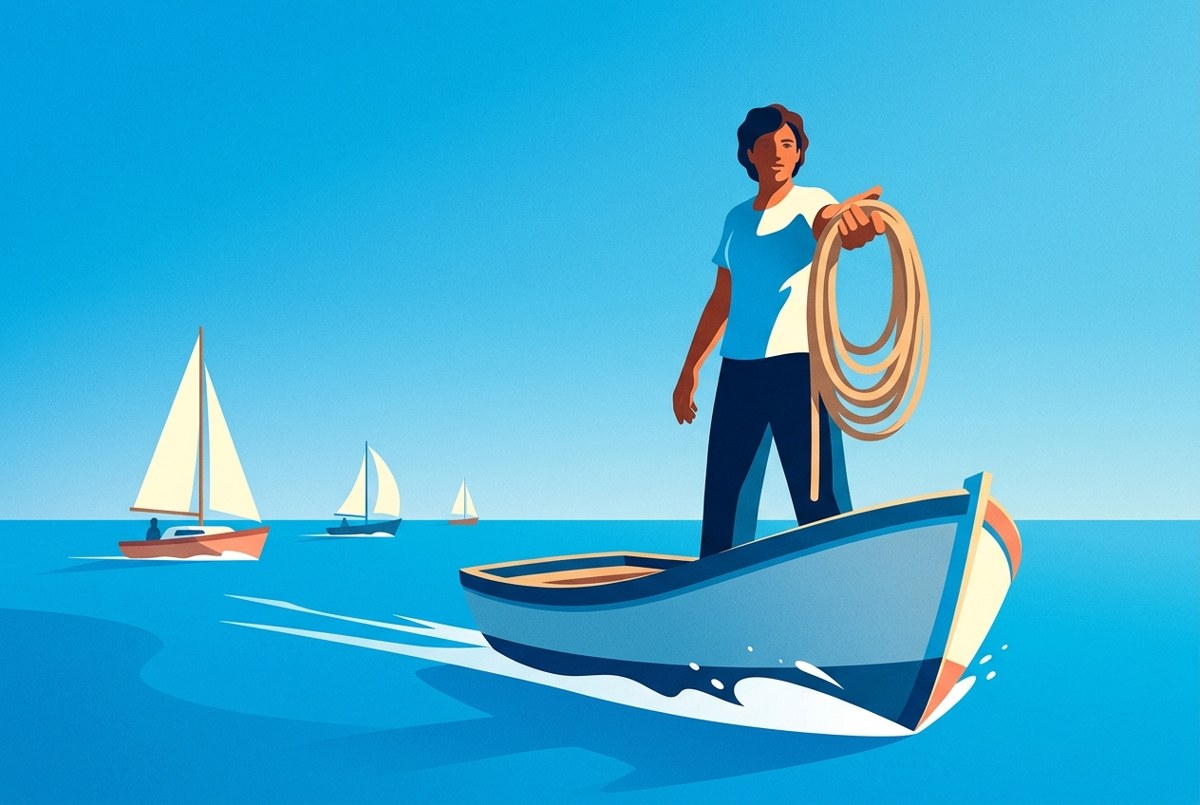
Odysseus wasn't stronger than the Sirens. He had rope.
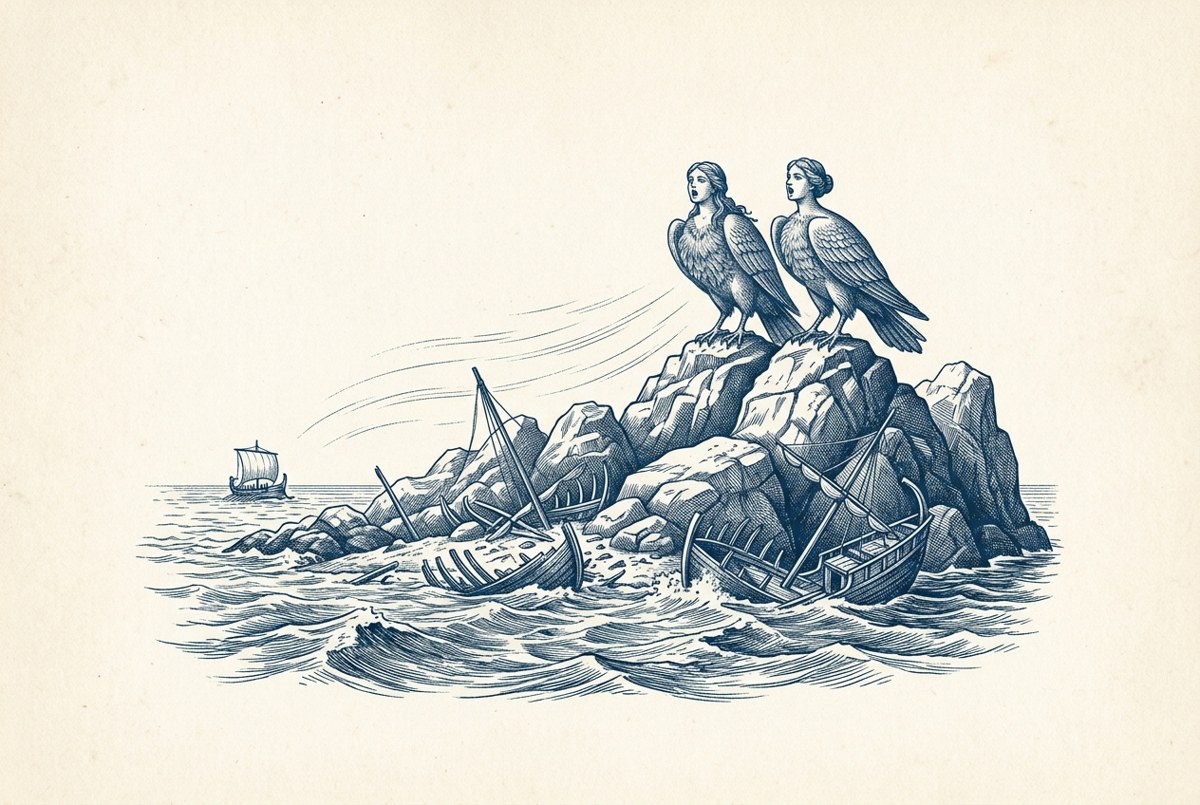
Three thousand years ago, Homer told the story of Odysseus, a Greek king sailing home from war. His way home ran past the Sirens, whose song no sailor could resist, their shore littered with the wrecks of those who tried. Odysseus wanted to hear that song and live. So before the ship drew close, while his mind was still his own, he made three decisions.
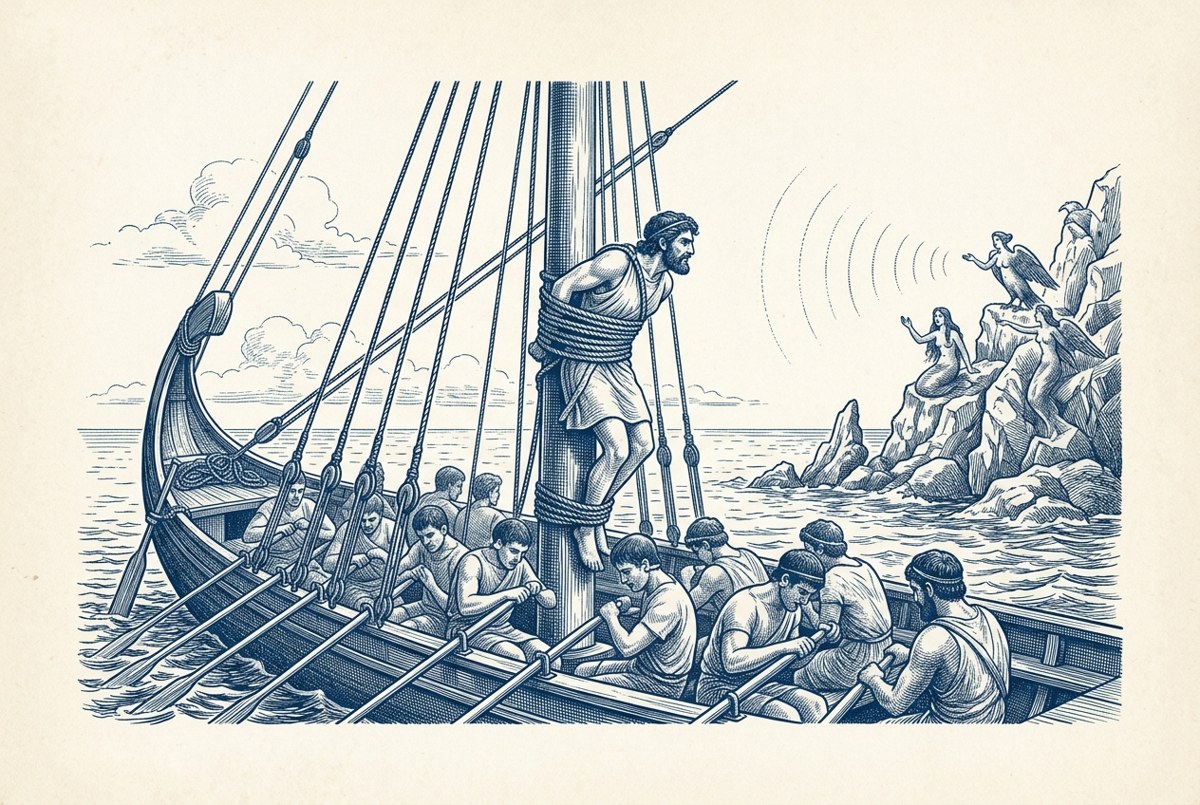
- He had his crew fill their ears with wax, so they would never hear it. (A block: some things you just want gone.)
- He had himself tied to the mast, free to listen, unable to steer the ship onto the rocks. (Metered access: the thing you love, at a price that keeps you safe.)
- And he left one order: no matter how I beg to be freed, bind me tighter. (A cooldown: the you who planned outranks the you who's tempted.)
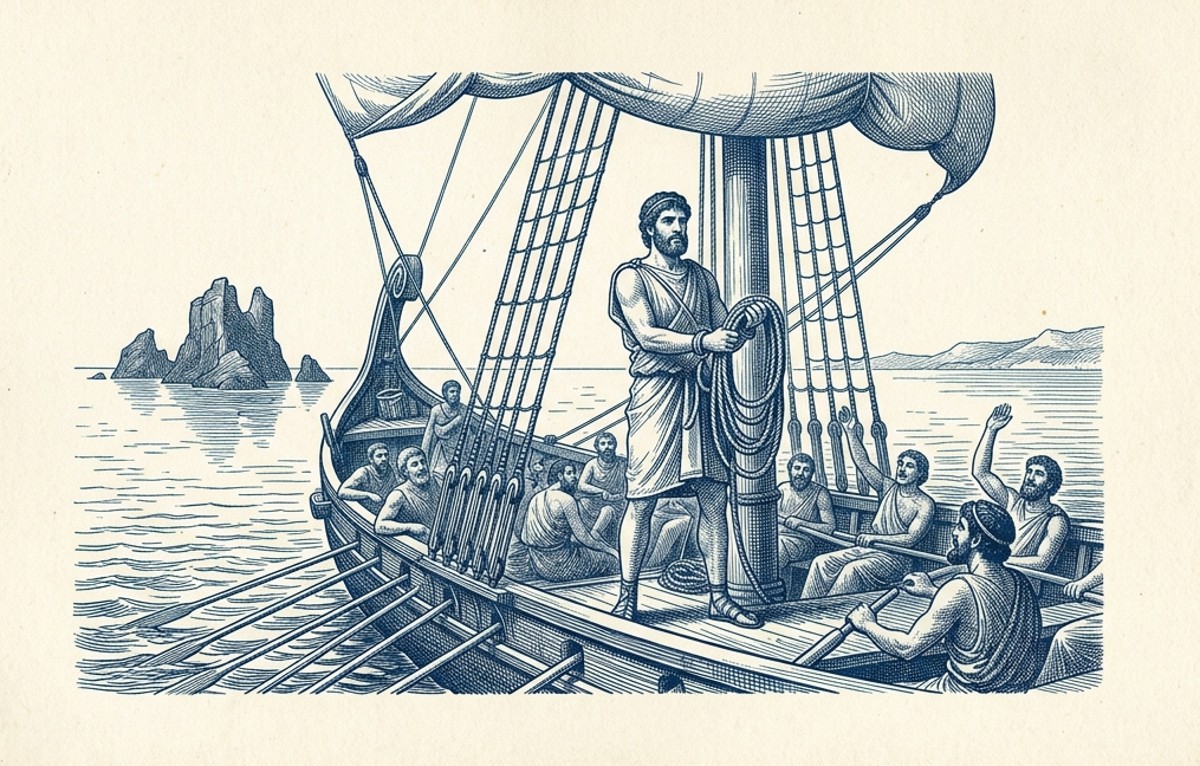
He didn't beat the Sirens with strength. He beat them with a decision made in advance, and a way to make it hold.
Ulyssify is named after him. Ulysses is his Roman name, and a promise you make now to bind your future self is still called a Ulysses pact. To ulyssify something is to hand the decision to the version of you thinking clearly, and trust it to hold when you're not.
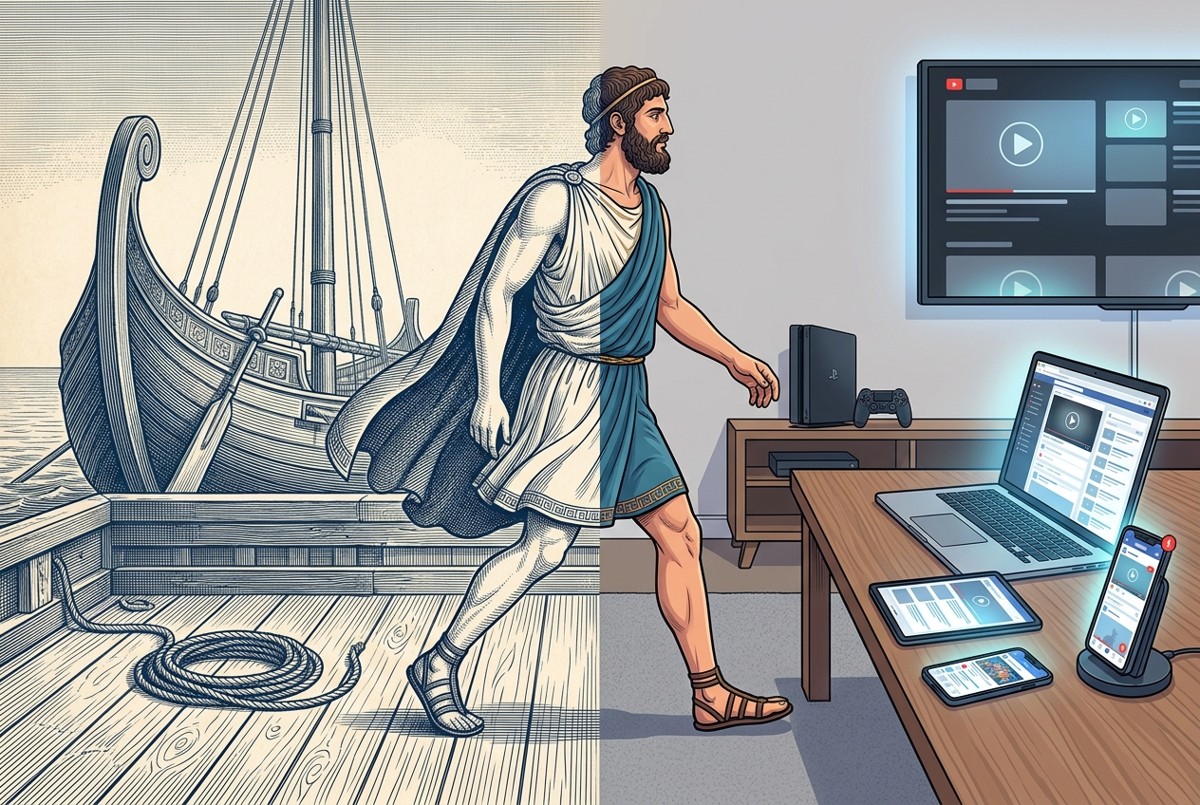
The song has only gotten better. It is engineered now, by the sharpest minds and largest budgets of our time, to be exactly as good as it can be made. That is not the problem. The problem is that most of us still meet it with the one thing Odysseus was wise enough not to trust: willpower. The song got stronger. The rope got lost.
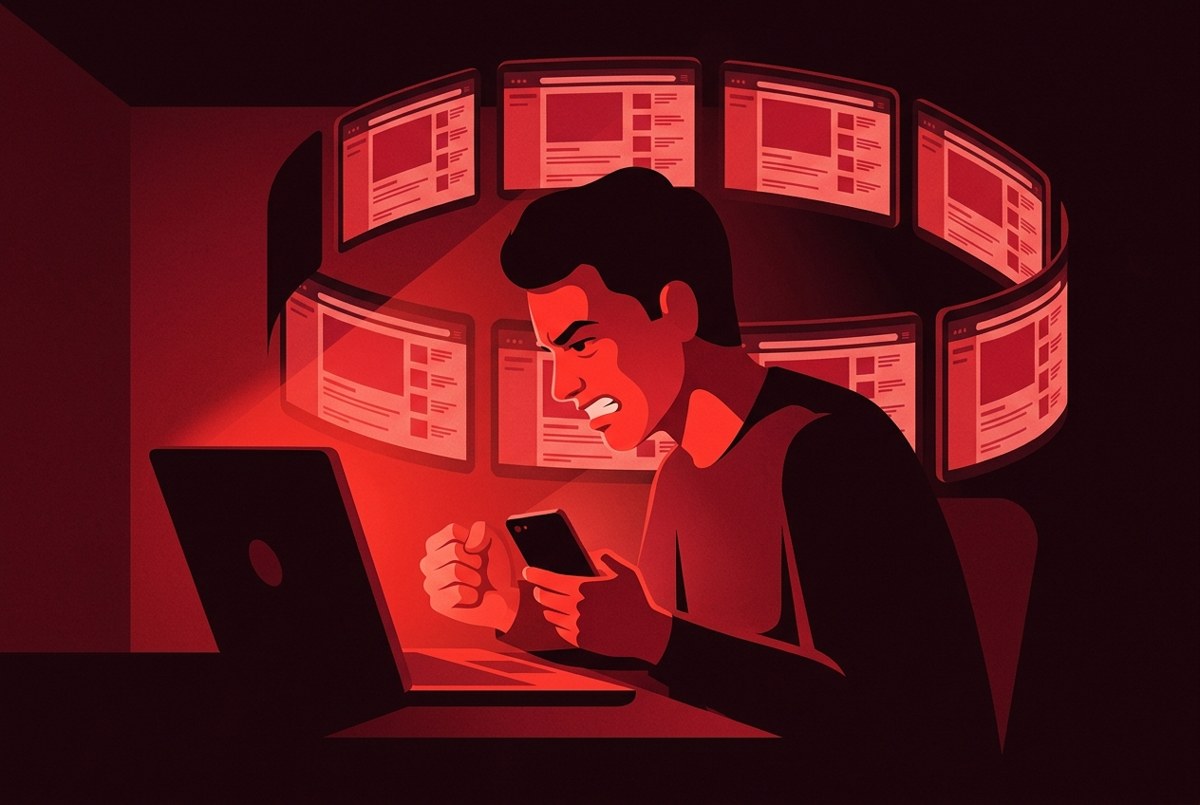
Why I'm building Ulyssify
I should be honest about who's building this: I needed it first.
I'm 23, and I've spent most of those years losing to my own phone or laptop. In high school I was so hooked on one game that I'd buy a new account every few days, rage-delete it at one in the morning when the work piled up, and buy it back before class. I thought that was rock bottom. It wasn't. It just never stopped.
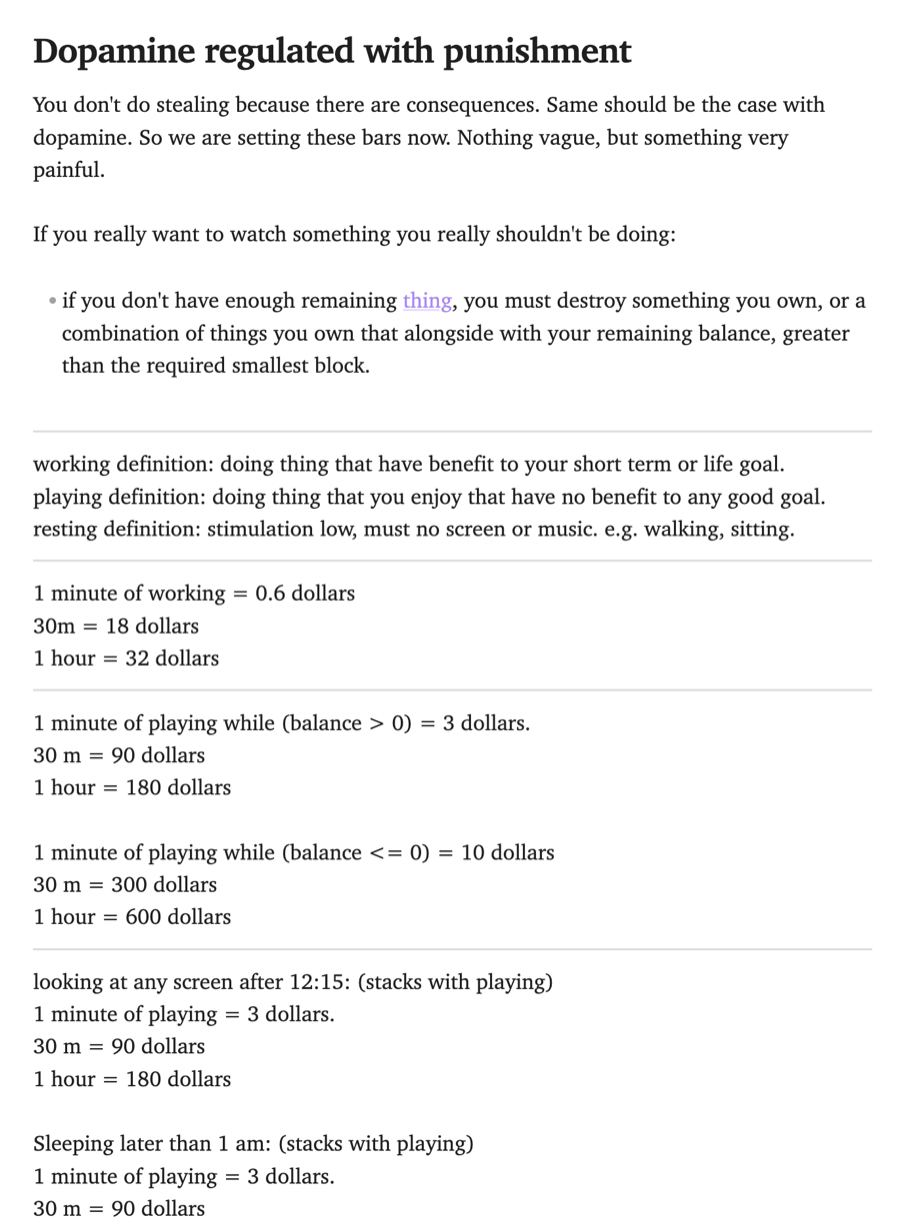
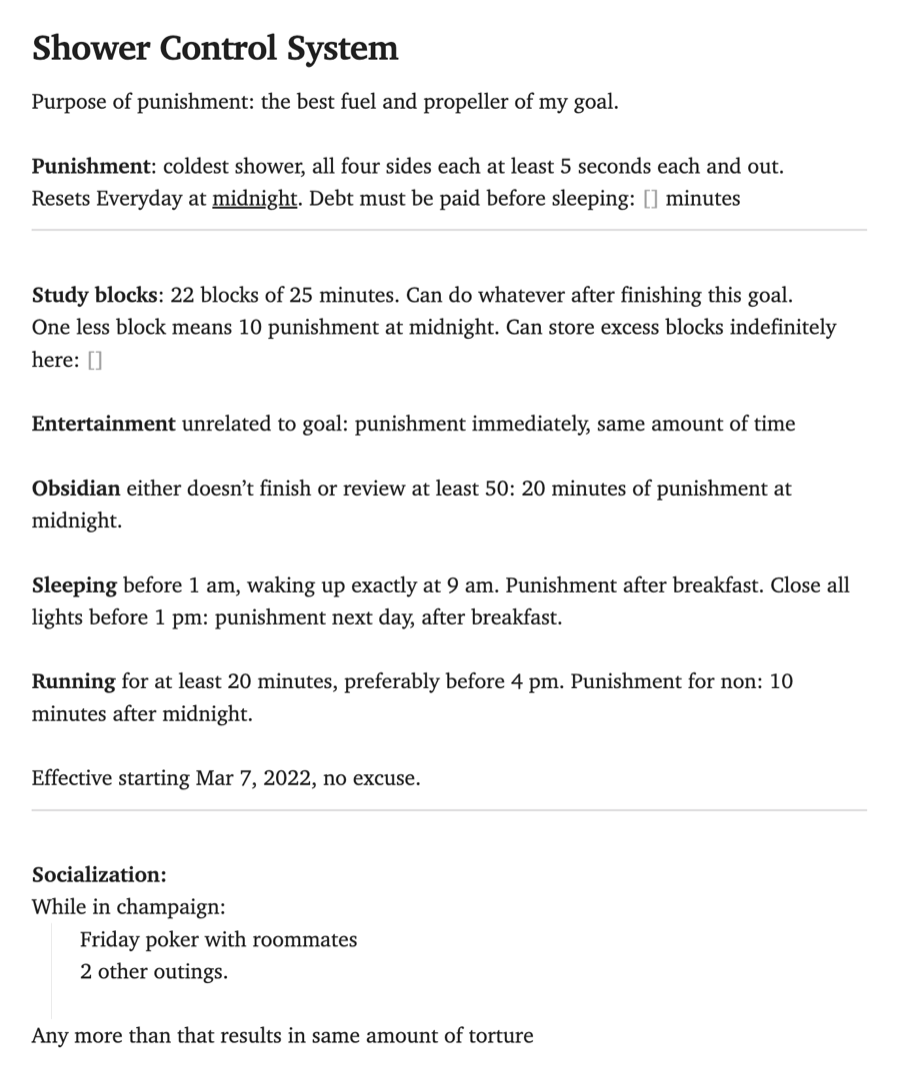
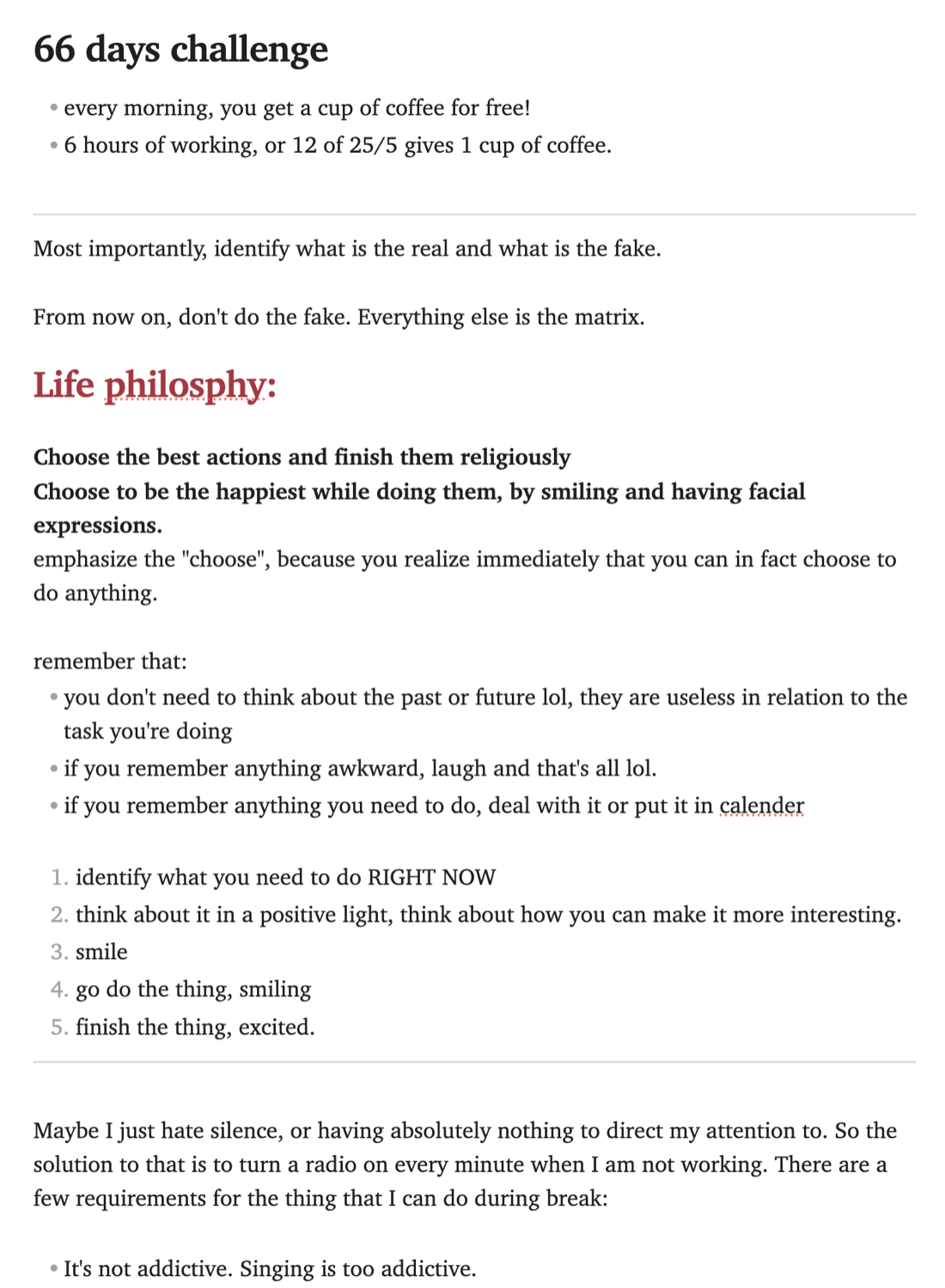
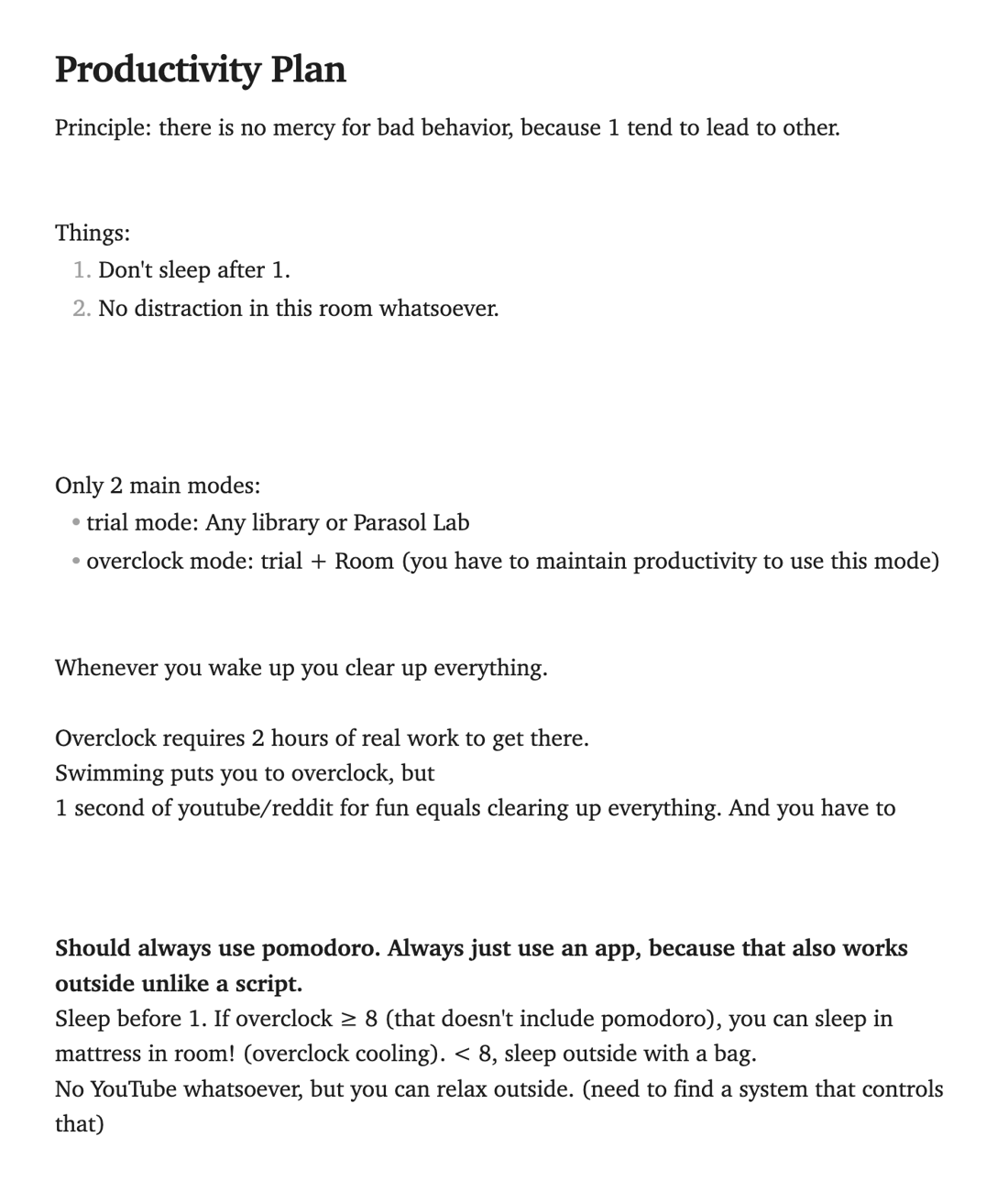
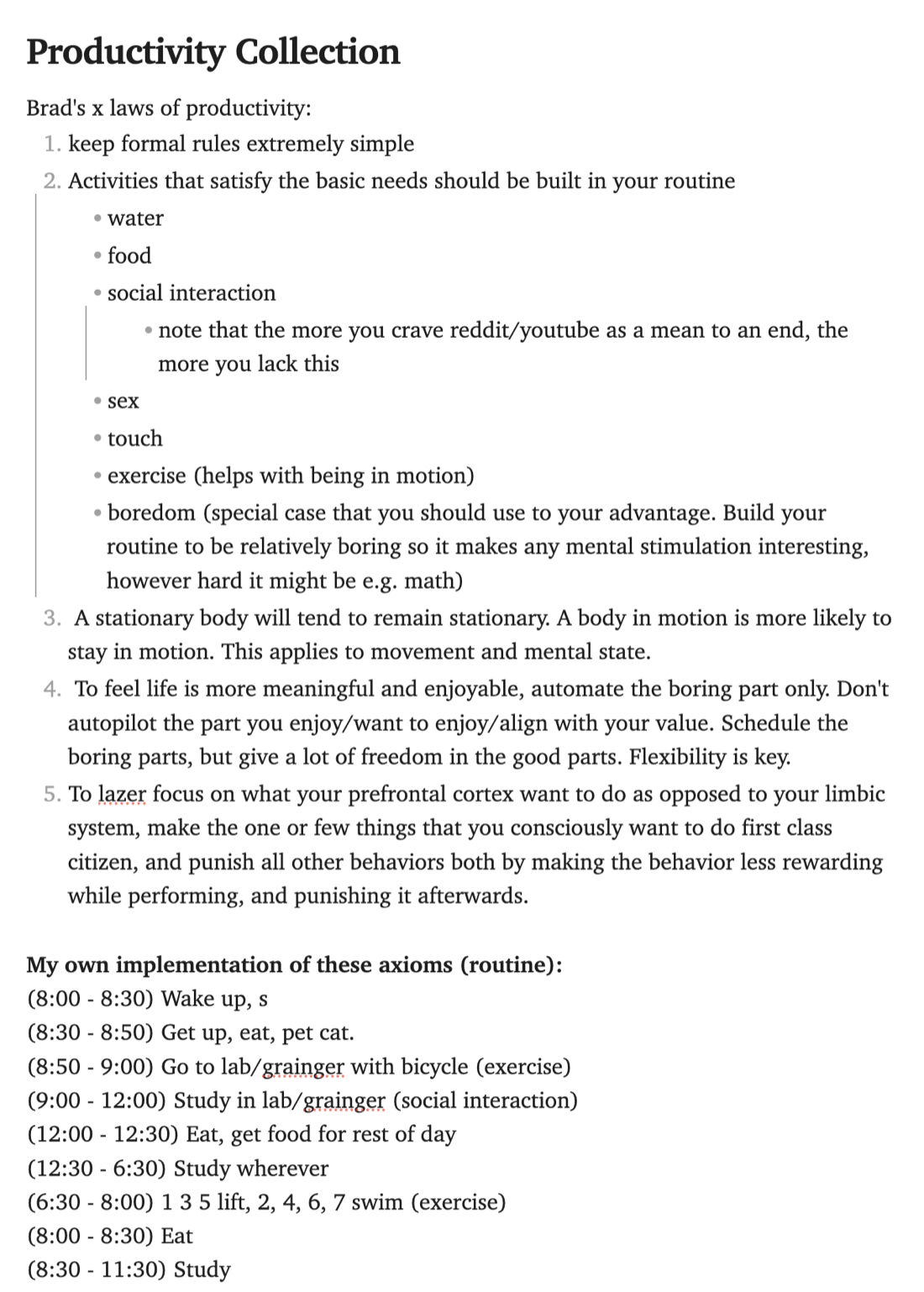
For years I tried to engineer my way out, and I have the notes to prove it: point systems where an hour of real work earned dollars I could spend on YouTube, cold-shower punishments for breaking my own rules, a dopamine menu, whole days mapped out block by block. I tried the ready-made blockers too, but they were rigid and only ever punished: the work I did earned nothing back, so it never felt like a fair system that rewards effort, just a cage. A new system every few months, each one abandoned within weeks. Willpower kept showing up to a fight it always lost.
Looking back, every one of those systems made the same mistake, and so did every blocker: they treated the wanting as the enemy. Kill it, cage it, wait it out. But the wanting was the most reliable thing about me. It showed up every single day without fail. The system that finally worked was the one that stopped fighting it and started spending it: the urge to open the app became the reason to finish the work. Reverse the doomscroll, if you want a name for it. The want stays. The direction flips.
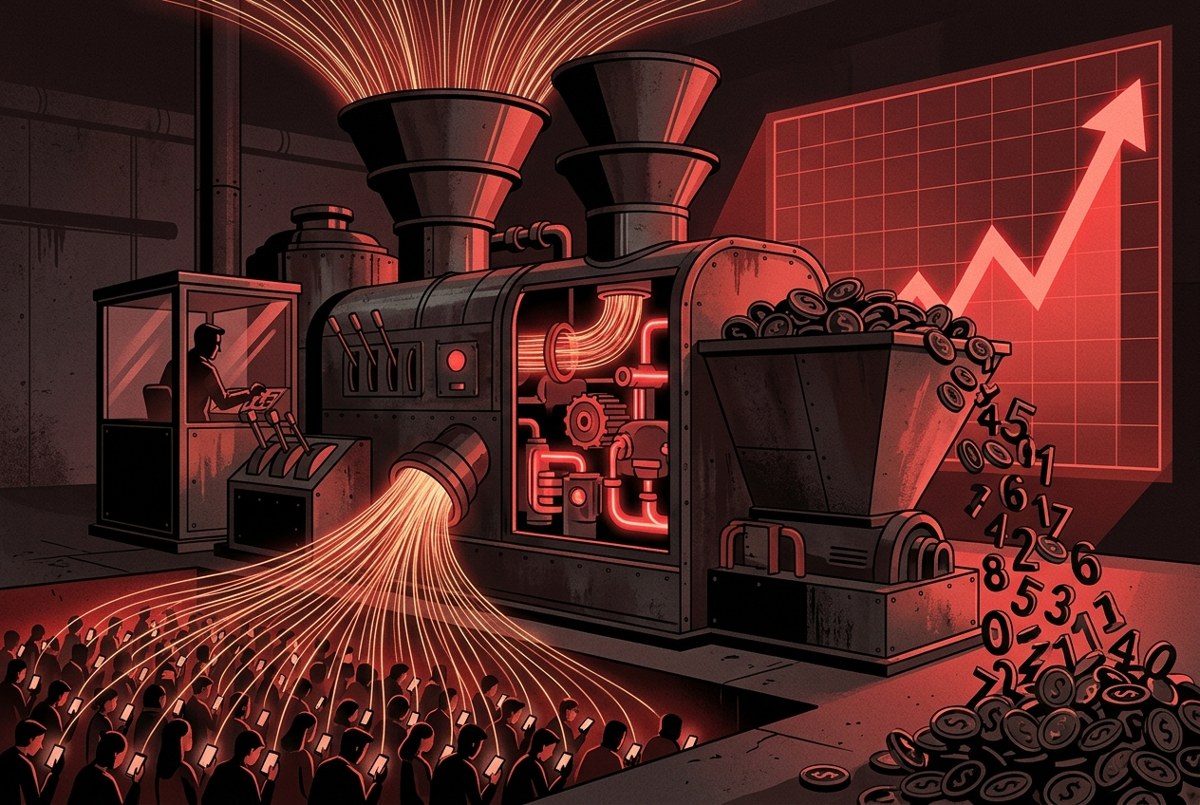
For a while I even worked for the other side: a year on the data team of one of the biggest social media companies in the world, turning people's attention into the numbers a company is paid to grow. I saw up close how good, and how deliberate, the pull on the other end has become.
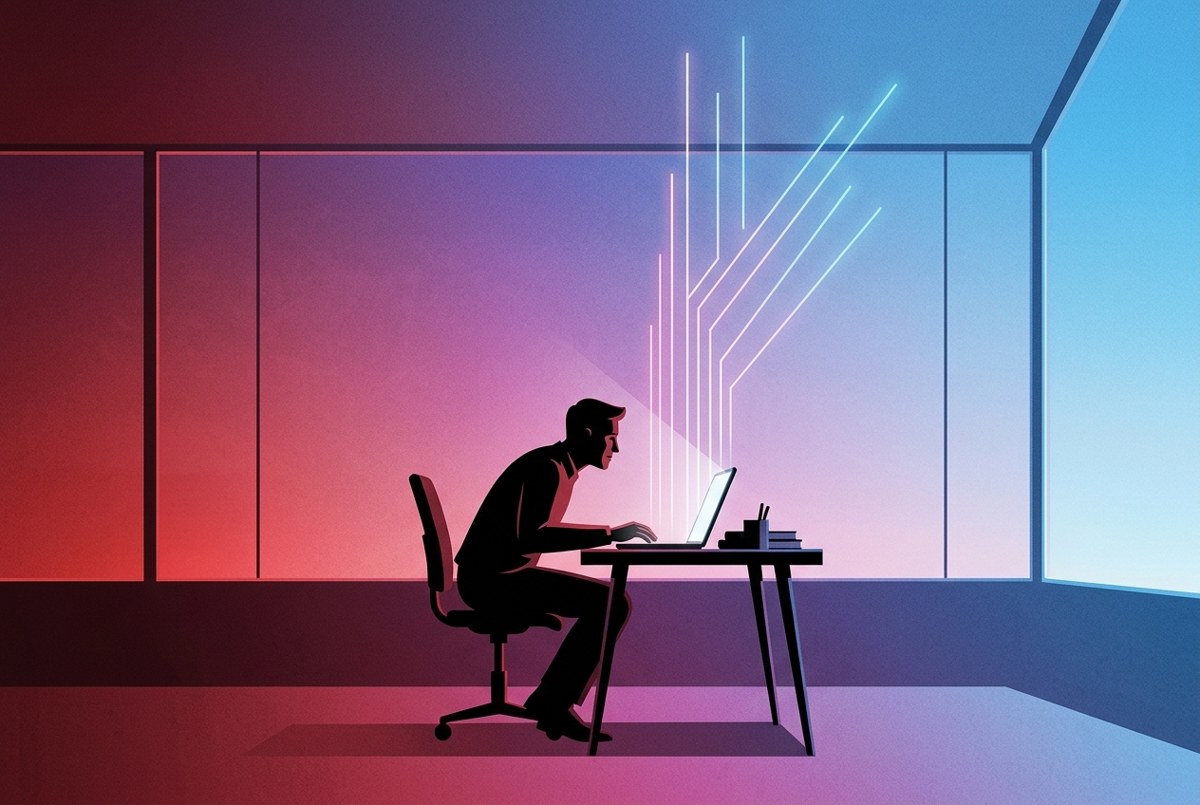
I had already designed this app, years earlier, out of sheer frustration. It was all there: a timer, a calendar, tasks that earned points, real blocking, even a note worrying that a system only you can see is too easy to lie to. But I had to put it on pause, because building a device that could enforce the blocks across every platform and sync the coins instantly was, back then, simply beyond me. It was never the idea I was missing. It was the ability to build it. So when AI-assisted coding finally got good enough, and I had honed my own skills enough, I could at last make the thing I had needed since I was a child: a rough prototype, just for myself.
It worked. For the first time the system felt fair: the work I did finally counted, and every rule was mine, shaped to fit my own life. It did more for me in a few weeks than years of trying ever had. The moment I felt it working a little too well, I quit my job to build it for everyone who needs it.
My screen time fell too. Not because I fought it. Because every minute of it finally counted for something.
For most of my life I thought the problem was me. It wasn't. I just never had the rope. Now I do, and I'm handing it to you.